Efectos de la estimulación magnética transcraneal repetitiva de la corteza prefrontal dorsolateral izquierda en el trastorno por atracón asociado a la obesidad: un ensayo controlado aleatorizado de doble ciego
Palabras clave:
Ensayo clínico, Estimulación magnética transcraneal repetitiva, Trastorno por atracón, ObesidadResumen
https://hdl.handle.net/11600/72898
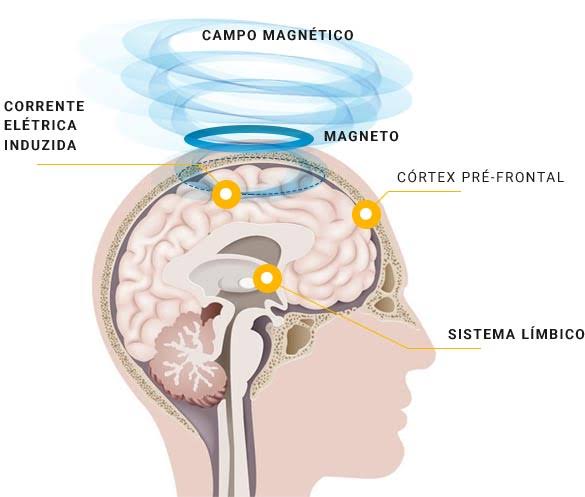
Introducción: El trastorno por atracón (TA) se asocia comúnmente con el sobrepeso y la obesidad; se caracteriza por episodios recurrentes de atracones que no conllevan el uso de métodos compensatorios para evitar el aumento de peso, pero que generan un malestar significativo. La evidencia sugiere que el TA y los trastornos por consumo de sustancias (TCS) comparten mecanismos neuronales similares y que la estimulación magnética transcraneal repetitiva (EMTr) puede modular la actividad de redes cerebrales potencialmente implicadas en el TA. Objetivos: Los objetivos principales de este estudio son investigar los efectos de la EMTr sobre los atracones y el deseo intenso de comer (*craving*) en personas con trastorno por atracón (TA) y obesidad. Los objetivos secundarios incluyen la evaluación de los efectos de la EMTr sobre la psicopatología general y específica de los trastornos de la conducta alimentaria (TCA), el peso corporal y el índice de masa corporal (IMC). Métodos: Sesenta individuos fueron asignados aleatoriamente para recibir 20 sesiones de EMTr aplicadas en la corteza prefrontal dorsolateral (CPFDL) izquierda o un tratamiento simulado (*sham*). Las variables principales fueron la frecuencia de los episodios de atracón y el «impulso de comer» (*craving*), evaluados al inicio y al finalizar el tratamiento. Las variables secundarias incluyeron los efectos sobre el IMC, el hambre y la psicopatología general y específica de los TCA. Se realizaron análisis de seguimiento para la mayoría de las variables a las 16 semanas de la aleatorización. Se utilizaron modelos multinivel para evaluar los efectos del grupo, el tiempo y la interacción grupo-tiempo en relación con la asociación entre la exposición a la EMTr y los resultados. Resultados: En comparación con el grupo de estimulación simulada (*sham*), el grupo que recibió rTMS real mostró una mayor disminución en el número de episodios de ingesta compulsiva (BEE, por sus siglas en inglés) al finalizar el tratamiento (media estimada [ME]: 2,41; IC del 95 %: 1,84-3,15 frente a ME: 1,45; IC del 95 %: 1,05-1,99; p = 0,02; tamaño del efecto [TE]: 0,51) y en el seguimiento (ME: 3,79; IC del 95 %: 3-4,78 frente a ME: 2,45; IC del 95 %: 1,88-3,17; p = 0,02; TE = 0,44; análisis de la interacción grupo × tiempo: p = 0,02). No se observaron diferencias entre grupos en otras comparaciones. Conclusión: La rTMS redujo los BEE durante y después del tratamiento, lo que sugiere que se trata de una intervención prometedora.
Citas
1. Harris SR, Carrillo M, Fujioka K. Binge-Eating Disorder and Type 2 Diabetes: A Review. Vol. 27, Endocrine practice : official journal of the American College of Endocrinology and the American Association of Clinical Endocrinologists. NLM (Medline); 2021. p. 158–64.
2. Lydecker JA, Grilo CM. Psychiatric comorbidity as predictor and moderator of binge-eating disorder treatment outcomes: An analysis of aggregated randomized controlled trials. Psychol Med [Internet]. 2021 [cited 2021 Jun 16];1–9. Available from: https://www.cambridge.org/core/journals/psychological-medicine/article/abs/psychiatriccomorbidity-as-predictor-and-moderator-of-bingeeating-disorder-treatment-outcomes-ananalysis-of-aggregated-randomized-controlled-trials/E3EF604010660A7C4B72AB0E5650B746
3. Giel KE, Bulik CM, Fernandez-Aranda F, Hay P, Keski-Rahkonen A, Schag K, et al. Binge eating disorder. Nature Reviews Disease Primers 2022 8:1 [Internet]. 2022 Mar 17 [cited 2023 Mar 11];8(1):1–19. Available from: https://www.nature.com/articles/s41572-022-00344-y
4. Kessler RC, Berglund PA, Chiu WT, Deitz AC, Hudson JI, Shahly V, et al. The prevalence and correlates of binge eating disorder in the World Health Organization World Mental Health Surveys. Biol Psychiatry [Internet]. 2013 May 1 [cited 2021 Jun 17];73(9):904–14. Available from: https://pubmed.ncbi.nlm.nih.gov/23290497/
5. Keski-Rahkonen A. Epidemiology of binge eating disorder: Prevalence, course, comorbidity, and risk factors. Curr Opin Psychiatry [Internet]. 2021 Nov 1 [cited 2023 Mar 18];34(6):525– 31. Available from: https://journals.lww.com/copsychiatry/Fulltext/2021/11000/Epidemiology_of_binge_eating_disorder__prevalence,.3.aspx
6. Erskine HE, Whiteford HA. Epidemiology of binge eating disorder. Curr Opin Psychiatry. 2018;31(6):462–70.
7. Grilo CM, Juarascio A. Binge-Eating Disorder Interventions: Review, Current Status, and Implications. Curr Obes Rep [Internet]. 1234 [cited 2024 May 21];12:406–16. Available from: https://doi.org/10.1007/s13679-023-00517-0
8. APA. Manual diagnóstico e estatístico de transtornos mentais: texto revisado (DSM-IV-TR). American Psychiatric Association, editor. Artmed; 2002.
9. APA. DIAGNOSTIC AND STATISTICAL MANUAL OF DSM-5 TM. Fifth Edition. American Psychiatric Association (APA), editor. Washington, DC: APA; 2013.
10. Li N, Mitchison D, Touyz S, Hay P. Cross-sectional comparison of health-related quality of life and other features in people with and without objective and subjective binge eating using a general population sample. BMJ Open [Internet]. 2019 [cited 2021 Jun 18]; Available from: http://bmjopen.bmj.com/
11. Hudson JI, Hiripi E, Pope HG, Kessler RC. The Prevalence and Correlates of Eating Disorders in the National Comorbidity Survey Replication. Biol Psychiatry. 2007 Feb 1;61(3):348–58.
12. Appolinario JC, Sichieri R, Lopes CS, Moraes CE, da Veiga G V., Freitas S, et al. Correlates and impact of DSM-5 binge eating disorder, bulimia nervosa and recurrent binge eating: a representative population survey in a middle-income country. Soc Psychiatry Psychiatr Epidemiol [Internet]. 2022 Jul 1 [cited 2024 May 21];57(7):1491–503. Available from: https://link.springer.com/article/10.1007/s00127-022-02223-z
13. Pope HG, Lalonde JK, Pindyck LJ, Walsh T, Bulik CM, Crow SJ, et al. Binge eating disorder: A stable syndrome. American Journal of Psychiatry [Internet]. 2006 [cited 2021 Jun 12];163(12):2181–3. Available from: https://pubmed.ncbi.nlm.nih.gov/17151172/
14. Klump KL, Bulik CM, Kaye WH, Treasure J, Tyson E. Academy for eating disorders position paper: Eating disorders are serious mental illnesses [Internet]. Vol. 42, International Journal of Eating Disorders. Int J Eat Disord; 2009 [cited 2021 Jun 1]. p. 97–103. Available from: https://pubmed.ncbi.nlm.nih.gov/18951455/
15. Treasure J, Duarte TA, Schmidt U. Eating disorders. Vol. 395, The Lancet. Lancet Publishing Group; 2020. p. 899–911.
16. Ministério da Saúde. Vigilância de fatores de risco e proteção para doenças crônicas por inquérito telefônico [Internet]. 2017. Available from: http://bvsms.saude.gov.br/bvs/publicacoes/vigitel_brasil_2017_vigilancia_fatores_
17. ASSOCIAÇÃO BRASILEIRA PARA O ESTUDO DA OBESIDADE E DA SÍNDROME METABÓLICA. Diretrizes Brasileiras de Obesidade 2016 4a edição. 4a ed. São Paulo: ASSOCIAÇÃO BRASILEIRA PARA O ESTUDO DA OBESIDADE E DA SÍNDROME METABÓLICA; 2016.
18. Stopa SR, Szwarcwald CL, de Oliveira MM, de Cassia Dutra Pozzetti Gouvea E, Vieira MLFP, de Freitas MPS, et al. National Health Survey 2019: History, methods and perspectives. Epidemiologia e Servicos de Saude. 2020;29(5).
19. Villarejo C, Fernández-Aranda F, Jiménez-Murcia S, Peñas-Lledó E, Penelo E, Tinahones FJ, et al. Lifetime Obesity in Patients with Eating Disorders: Increasing Prevalence, Clinical and Personality Correlates. 2012;
20. Agüera Z, Lozano-Madrid M, Mallorquí-Bagué N, Jiménez-Murcia S, Menchón JM, FernándezAranda F, et al. A review of binge eating disorder and obesity. neuropsychiatrie [Internet]. 2020 Apr 28; Available from: https://doi.org/10.1007/s40211-020-00346-w
21. Hilbert A, Petroff D, Herpertz S, Kersting A, Pietrowsky R, Tuschen-Caffier B, et al. Metaanalysis of the effectiveness of psychological and medical treatments for binge-eating disorder (MetaBED): Study protocol. BMJ Open. 2017;7(3).
22. Mehler PS, Frank GKW, Mitchell JE. Medical comorbidity and medical complications associated with binge-eating disorder. International Journal of Eating Disorders. 2016 Mar 1;49(3):319–23.
23. Appolinario JC, Nardi AE, McElroy SL. Investigational drugs for the treatment of binge eating disorder (BED): an update. Vol. 28, Expert Opinion on Investigational Drugs. Taylor and Francis Ltd; 2019. p. 1081–94.
24. Palavras MA, Hay P, Touyz S, Sainsbury A, da Luz F, Swinbourne J, et al. Comparing cognitive behavioural therapy for eating disorders integrated with behavioural weight loss therapy to cognitive behavioural therapy-enhanced alone in overweight or obese people with bulimia nervosa or binge eating disorder: Study protocol for a randomised controlled trial. Trials. 2015 Dec 18;16(1).
25. Palavras MA, Hay P, Filho CA dos S, Claudino A. The efficacy of psychological therapies in reducing weight and binge eating in people with bulimia nervosa and binge eating disorder who are overweight or obese—A critical synthesis and meta‐analyses [Internet]. Vol. 9, Nutrients. MDPI AG; 2017 [cited 2021 Jun
17]. Available from: https://pubmed.ncbi.nlm.nih.gov/28304341/
26. Linardon J. Rates of abstinence following psychological or behavioral treatments for bingeeating disorder: Meta-analysis [Internet]. Vol. 51, International Journal of Eating Disorders. John Wiley and Sons Inc.; 2018 [cited 2021 Jun 18]. p. 785–97. Available from: https://onlinelibrary.wiley.com/doi/full/10.1002/eat.22897
27. McElroy SL, Hudson J, Ferreira-Cornwell MC, Radewonuk J, Whitaker T, Gasior M. Lisdexamfetamine Dimesylate for Adults with Moderate to Severe Binge Eating Disorder: Results of Two Pivotal Phase 3 Randomized Controlled Trials. Neuropsychopharmacology [Internet]. 2016 Apr 1 [cited 2021 Jun 12];41(5):1251–60. Available from: /pmc/articles/PMC4793109/
28. Weingarten HP, Elston D. The phenomenology of food cravings. Appetite [Internet]. 1990 Dec [cited 2016 Jan 31];15(3):231–46. Available from: http://www.sciencedirect.com/science/article/pii/0195666390900232
29. Hormes JM, Rozin P. Does “craving” carve nature at the joints? Absence of a synonym for craving in many languages. Addictive Behaviors. 2010 May;35(5):459–63.
30. Potenza MN, Grilo CM. How relevant is food craving to obesity and its treatment? Front Psychiatry [Internet]. 2014 Nov 19 [cited 2021 Jun 16];5(NOV):164. Available from: www.frontiersin.org
31. Hill AJ. The psychology of food craving. Proceedings of the Nutrition Society [Internet]. 2007 May 30;66(02):277–85. Available from: http://www.journals.cambridge.org/abstract_S0029665107005502
32. Meule A, Küppers C, Harms L, Friederich HC, Schmidt U, Blechert J, et al. Food cue-induced craving in individuals with bulimia nervosa and binge-eating disorder. PLoS One [Internet]. 2018 Sep 1 [cited 2021 Jun 16];13(9):e0204151. Available from: https://doi.org/10.1371/journal.pone.0204151.t001
33. Kessler RM, Hutson PH, Herman BK, Potenza MN. The neurobiological basis of binge-eating disorder. Neurosci Biobehav Rev [Internet]. 2016 Apr 1 [cited 2023 May 15];63:223–38. Available from: https://pubmed.ncbi.nlm.nih.gov/26850211/
34. Ng L, Davis C. Cravings and food consumption in binge eating disorder. Eat Behav [Internet]. 2013 Dec [cited 2021 Jun 16];14(4):472–5. Available from: https://pubmed.ncbi.nlm.nih.gov/24183139/
35. Carter JC, van Wijk M, Rowsell M. Symptoms of ‘food addiction’ in binge eating disorder using the Yale Food Addiction Scale version 2.0. Appetite. 2019 Feb 1;133:362–9.
36. Burrows T, Skinner J, McKenna R, Rollo M. Food addiction, binge eating disorder, and obesity: Is there a relationship? Behavioral Sciences. 2017 Sep 1;7(3).
37. Wierenga CE, Ely A, Bischoff-Grethe A, Bailer UF, Simmons AN, Kaye WH. Are extremes of consumption in eating disorders related to an altered balance between reward and inhibition? Front Behav Neurosci [Internet]. 2014 Dec 9 [cited 2021 Jun 11];8(DEC):410. Available from: www.frontiersin.org
38. İnce B, Schlatter J, Max S, Plewnia C, Zipfel S, Giel KE, et al. Can we change binge eating behaviour by interventions addressing food-related impulsivity? A systematic review. Vol. 9, Journal of Eating Disorders. BioMed Central Ltd; 2021.
39. Balodis IM, Grilo CM, Potenza MN. Neurobiological Features of Binge Eating Disorder. CNS Spectr [Internet]. 2015 Jun 11 [cited 2023 Mar 12];20(6):557. Available from: /pmc/articles/PMC4658223/
40. Waters A, Hill A, Waller G. Bulimics’ responses to food cravings: is binge-eating a product of hunger or emotional state? Behaviour Research and Therapy [Internet]. 2001 Aug;39(8):877– 86. Available from: http://linkinghub.elsevier.com/retrieve/pii/S0005796700000590
41. Baik JH. Dopaminergic Control of the Feeding Circuit. Endocrinology and Metabolism [Internet]. 2021 Apr 1 [cited 2024 Jun 17];36(2):229. Available from: /pmc/articles/PMC8090468/
42. Stice E, Burger K. Neural vulnerability factors for obesity. Clin Psychol Rev [Internet]. 2019 Mar 1 [cited 2023 Jun 18];68:38–53. Available from: https://pubmed.ncbi.nlm.nih.gov/30587407/
43. Lavagnino L, Arnone D, Cao B, Soares JC, Selvaraj S. Inhibitory control in obesity and binge eating disorder: A systematic review and meta-analysis of neurocognitive and neuroimaging studies. Neurosci Biobehav Rev [Internet]. 2016 Sep 1 [cited 2023 May 15];68:714–26. Available from: https://pubmed.ncbi.nlm.nih.gov/27381956/
44. Reiter AMF, Heinze HJ, Schlagenhauf F, Deserno L. Impaired Flexible Reward-Based DecisionMaking in Binge Eating Disorder: Evidence from Computational Modeling and Functional Neuroimaging. Neuropsychopharmacology. 2017 Feb 1;42(3):628–37.
45. Oliva R, Budisavljević S, Castiello U, Begliomini C. Neuroanatomical Correlates of Binge-Eating Behavior: At the Roots of Unstoppable Eating. Brain Sci [Internet]. 2021 Sep 1 [cited 2024 May 21];11(9). Available from: /pmc/articles/PMC8468173/
46. Dalton B, Bartholdy S, Campbell IC, Schmidt U. Neurostimulation in Clinical and Sub-clinical Eating Disorders: A Systematic Update of the Literature. Curr Neuropharmacol. 2018 Jan 8;16(8):1174–92.
47. Zhao X, Li Y, Tian Q, Zhu B, Zhao Z. Repetitive transcranial magnetic stimulation increases serum brain-derived neurotrophic factor and decreases interleukin-1β and tumor necrosis factor-α in elderly patients with refractory depression. Journal of International Medical Research [Internet]. 2019 May 1 [cited 2021 Jun
20];47(5):1848–55. Available from: /pmc/articles/PMC6567781/
48. Ekhtiari H, Tavakoli H, Addolorato G, Baeken C, Bonci A, Campanella S, et al. Transcranial electrical and magnetic stimulation (tES and TMS) for addiction medicine: A consensus paper on the present state of the science and the road ahead. Neurosci Biobehav Rev. 2019 Sep 1;104:118–40.
49. Perini I, Kämpe R, Arlestig T, Karlsson H, Löfberg A, Pietrzak M, et al. Repetitive transcranial magnetic stimulation targeting the insular cortex for reduction of heavy drinking in treatmentseeking alcohol-dependent subjects: a randomized controlled trial. Neuropsychopharmacology [Internet]. 2020 Apr 1 [cited 2021 Jul 17];45(5):842–50. Available from: https://pubmed.ncbi.nlm.nih.gov/31711065/
50. Antonelli M, Fattore L, Sestito L, di Giuda D, Diana M, Addolorato G. Transcranial Magnetic Stimulation: A review about its efficacy in the treatment of alcohol, tobacco and cocaine addiction. Addictive Behaviors. 2021 Mar 1;114:106760.
51. A F, C M, I T, S M, F A, M A, et al. Weight loss induced by deep transcranial magnetic stimulation in obesity: A randomized, double-blind, sham-controlled study. Diabetes Obes Metab [Internet]. 2019 Aug 1 [cited 2021 Jul 28];21(8):1849–60. Available from: https://pubmed.ncbi.nlm.nih.gov/30957981/
52. Luzi L, Gandini S, Massarini S, Bellerba F, Terruzzi I, Senesi P, et al. Reduction of impulsivity in patients receiving deep transcranial magnetic stimulation treatment for obesity. Endocrine [Internet]. 2021 Jun 25 [cited 2021 Jul 28]; Available from: https://link.springer.com/10.1007/s12020-021-02802-1
53. Kim SH, Chung J hye, Kim TH, Lim SH, Kim Y, Eun YM, et al. The effects of repetitive transcranial magnetic stimulation on body weight and food consumption in obese adults: A randomized controlled study. Brain Stimul. 2019 Nov 1;12(6):1556–64.
54. Kim SH, Chung JH, Kim TH, Lim SH, Kim Y, Lee YA, et al. The effects of repetitive transcranial magnetic stimulation on eating behaviors and body weight in obesity: A randomized controlled study. Brain Stimul. 2018 May 1;11(3):528–35.
55. Uher R, Yoganathan D, Mogg A, Eranti S v., Treasure J, Campbell IC, et al. Effect of left prefrontal repetitive transcranial magnetic stimulation on food craving. Biol Psychiatry. 2005 Nov 15;58(10):840–2.
56. Walpoth M, Hoertnagl C, Mangweth-Matzek B, Kemmler G, Hinterhölzl J, Conca A, et al. Repetitive transcranial magnetic stimulation in bulimia nervosa: Preliminary results of a single-centre, randomised, double-blind, sham-controlled trial in female outpatients. Psychother Psychosom [Internet]. 2007 Dec [cited 2021 Jun 3];77(1):57–60. Available from: https://pubmed.ncbi.nlm.nih.gov/18087209/
57. Van den Eynde F, Claudino AM, Mogg A, Horrell L, Stahl D, Ribeiro W, et al. Repetitive Transcranial Magnetic Stimulation Reduces Cue-Induced Food Craving in Bulimic Disorders. Biol Psychiatry [Internet]. 2010 Apr 15 [cited 2021 Jun 3];67(8):793–5. Available from: https://pubmed.ncbi.nlm.nih.gov/20060105/
58. Downar J, Sankar A win, Giacobbe P, Woodside B, Colton P. Unanticipated rapid remission of refractory bulimia nervosa, during high-dose repetitive transcranial magnetic stimulation of the dorsomedial prefrontal cortex: A case report. Front Psychiatry [Internet]. 2012 [cited 2021 Jun 17];3(APR). Available from: https://pubmed.ncbi.nlm.nih.gov/22529822/
59. Baczynski T, Chaim C, Nazar B, Carta M, Arias-Carrion O, Silva A, et al. High-Frequency rTMS to Treat Refractory Binge Eating Disorder and Comorbid Depression: A Case Report. CNS Neurol Disord Drug Targets [Internet]. 2014 Jul 19 [cited 2021 Jun 17];13(5):771–5. Available from: https://pubmed.ncbi.nlm.nih.gov/24606720/
60. Gay A, Jaussent I, Sigaud T, Billard S, Attal J, Seneque M, et al. A Lack of Clinical Effect of Highfrequency rTMS to Dorsolateral Prefrontal Cortex on Bulimic Symptoms: A Randomised, Double-blind Trial. European Eating Disorders Review [Internet]. 2016 Nov 1 [cited 2021 Jun 21];24(6):474–81. Available from: https://onlinelibrary.wiley.com/doi/full/10.1002/erv.2475
61. Guillaume S, Gay A, Jaussent I, Sigaud T, Billard S, Attal J, et al. Improving decision-making and cognitive impulse control in bulimia nervosa by rTMS: An ancillary randomized controlled study. International Journal of Eating Disorders [Internet]. 2018 Sep 1 [cited 2021 Jun 21];51(9):1103–6. Available from: https://hal.archives-ouvertes.fr/hal-02316524
62. Dunlop K, Woodside B, Lam E, Olmsted M, Colton P, Giacobbe P, et al. Increases in frontostriatal connectivity are associated with response to dorsomedial repetitive transcranial magnetic stimulation in refractory binge/purge behaviors. Neuroimage Clin. 2015 Jul 6;8:611– 8.
63. Maranhão MF, Estella NM, Cury MEG, Amigo VL, Picasso CM, Berberian A, et al. The effects of repetitive transcranial magnetic stimulation in obese females with binge eating disorder: A protocol for a double-blinded, randomized, sham-controlled trial. BMC Psychiatry. 2015;15(1).
64. Uher R, Yoganathan D, Mogg A, Eranti S V., Treasure J, Campbell IC, et al. Effect of left prefrontal repetitive transcranial magnetic stimulation on food craving. Biol Psychiatry [Internet]. 2005 Nov 15 [cited 2021 Jun 3];58(10):840–2. Available from: https://pubmed.ncbi.nlm.nih.gov/16084855/
65. Maranhão MF, Estella NM, Cury MEG, Amigo VL, Picasso CM, Berberian A, et al. The effects of repetitive transcranial magnetic stimulation in obese females with binge eating disorder: A protocol for a double-blinded, randomized, sham-controlled trial. BMC Psychiatry [Internet]. 2015 Aug 12 [cited 2021 Jun 20];15(1):1–11. Available from: https://bmcpsychiatry.biomedcentral.com/articles/10.1186/s12888-015-0569-8
66. Maranhão MF, Estella NM, Cogo-Moreira H, Schmidt U, Campbell IC, Claudino AM. Concept and evaluation of food craving: Unidimensional scales based on the trait and the state food Craving Questionnaire. Cad Saude Publica. 2018;34(5).
67. Cepeda-Benito A, Gleaves DH, Fernández MC, Vila J, Williams TL, Reynoso J. The development and validation of Spanish versions of the State and Trait Food Cravings Questionnaires. Behaviour Research and Therapy. 2000 Nov;38(11).
68. Sheehan D v., Lecrubier Y, Sheehan KH, Amorim P, Janavs J, Weiller E, et al. The MiniInternational Neuropsychiatric Interview (M.I.N.I.): The development and validation of a structured diagnostic psychiatric interview for DSM-IV and ICD-10. In: Journal of Clinical Psychiatry [Internet]. 1998 [cited 2021 Jun 14]. p. 22–33. Available from: https://europepmc.org/article/med/9881538
69. Fairburn. EATING DISORDER EXAMINATION. 2014.
70. Palavras MA, Hay P, Claudino A. An investigation of the clinical utility of the proposed ICD-11 and DSM-5 diagnostic schemes for eating disorders characterized by recurrent binge eating in people with a high BMI. Nutrients [Internet]. 2018 Nov 13 [cited 2021 Jun 19];10(11). Available from: /pmc/articles/PMC6265891/
71. Fairburn CG, Beglin SJ. Assessment of Eating Disorders: Interview or Self-Report Questionnaire? 1994.
72. Mond JM, Hay PJ, Rodgers B, Owen C, Beumont PJV. Validity of the Eating Disorder Examination Questionnaire (EDE-Q) in screening for eating disorders in community samples. Behaviour Research and Therapy. 2004 May 1;42(5):551–67.
73. Machado PPP, Martins C, Vaz AR, Conceição E, Bastos AP, Gonçalves S. Eating disorder examination questionnaire: Psychometric properties and norms for the Portuguese population. European Eating Disorders Review [Internet]. 2014 Nov 1 [cited 2021 Jun 19];22(6):448–53. Available from: https://onlinelibrary.wiley.com/doi/full/10.1002/erv.2318
74. Latner JD, Mond JM, Kelly MC, Haynes SN, Hay PJ. The loss of control over eating scale: Development and psychometric evaluation. International Journal of Eating Disorders [Internet]. 2014 Sep 1 [cited 2021 Jun 15];47(6):647–59. Available from: https://onlinelibrary.wiley.com/doi/full/10.1002/eat.22296
75. Luz FQ da, Sainsbury A, Estella NM, Cogo H, Touyz SW, Palavras MA, et al. An empirical evaluation of the translation to Brazilian Portuguese of the Loss of Control over Eating Scale (LOCES). Rev Psiquiatr Clín. 2016 Jan 1;43(1):1–5.
76. Gormally J, Black S, Daston S, Rardin D. The assessment of binge eating severity among obese persons. Addictive Behaviors. 1982 Jan 1;7(1):47–55.
77. Freitas S, Lopes CS, Coutinho W, Appolinario JC. Tradução e adaptação para o português da Escala de Compulsão Alimentar Periódica. Revista Brasileira de Psiquiatria. 2001 Dec;23(4):215–20.
78. Lovibond PF, Lovibond SH. The structure of negative emotional states: Comparison of the Depression Anxiety Stress Scales (DASS) with the Beck Depression and Anxiety Inventories. Behaviour Research and Therapy. 1995 Mar 1;33(3):335–43.
79. Henry JD, Crawford JR. The short-form version of the Depression anxiety stress scales (DASS21): Construct validity and normative data in a large non-clinical sample. British Journal of Clinical Psychology [Internet]. 2005 Jun 1 [cited 2021 Jun 15];44(2):227–39. Available from: www.bpsjournals.co.uk
80. Vignola RCB, Tucci AM. Adaptation and validation of the depression, anxiety and stress scale (DASS) to Brazilian Portuguese. J Affect Disord. 2014 Feb 1;155(1):104–9.
81. Cooper P, Taylor M, … ZCIJ of, 1987 undefined. The development and validation of the Body Shape Questionnaire. International Journal of Eating Disorders [Internet]. 1987 [cited 2021 Jun 15];6(4):485–94. Available from: https://onlinelibrary.wiley.com/doi/abs/10.1002/1098- 108X(198707)6:4%3C485::AID-EAT2260060405%3E3.0.CO;2-O
82. di Pietro M, Xavier da Silveira D. Internal validity, dimensionality and performance of the Body Shape Questionnaire in a group of Brazilian college students Validade interna, dimensionalidade e desempenho da escala Body Shape Questionnaire em uma população de estudantes universitários brasileiros. Brazilian Journal of Psychiatry. 2009;31(1):21–4.
83. Natacci LC, Júnior MF. The three factor eating questionnaire - R21: tradução para o português e aplicação em mulheres brasileiras. Revista de Nutrição [Internet]. 2011 [cited 2024 May 22];24(3):383–94. Available from: https://www.scielo.br/j/rn/a/bgVxLqQqgGgvZQ4HTpnCFVn/
84. (PDF) Translation and adaptation of Impulsive Behavior Scale (UPPS) to the Brazilian population [Internet]. [cited 2024 May 22]. Available from: https://www.researchgate.net/publication/249335873_Translation_and_adaptation_of_Impulsive_Behavior_Scale_UPPS_to_the_Brazilian_population
85. Van Buuren S, Brand JPL, Groothuis-Oudshoorn CGM, Rubin DB. Fully conditional specification in multivariate imputation. J Stat Comput Simul [Internet]. 2006 Dec 1 [cited 2023 May 13];76(12):1049–64. Available from: https://www.researchgate.net/publication/27702676_Fully_Conditional_Specification_in_Multivariate_Imputation
86. Benjamini Y, Hochberg Y. Controlling the False Discovery Rate: A Practical and Powerful Approach to Multiple Testing. Journal of the Royal Statistical Society: Series B (Methodological). 1995 Jan;57(1).
87. Abt G, Boreham C, Davison G, Jackson R, Nevill A, Wallace E, et al. Power, precision, and sample size estimation in sport and exercise science research. https://doi.org/101080/0264041420201776002 [Internet]. 2020 Sep 1 [cited 2023 May 13];38(17):1933–5. Available from: https://www.tandfonline.com/doi/abs/10.1080/02640414.2020.1776002
88. Bunn A, Korpela M. R: A language and environment for statistical computing. 2013 [cited 2023 May 13]; Available from: https://cran.microsoft.com/snapshot/2014-09- 08/web/packages/dplR/vignettes/xdate-dplR.pdf
89. Cohen J. Statistical Power Analysis for the Behavioral Sciences Second Edition.
90. Mansouri FA, Tanaka K, Buckley MJ. Conflict-induced behavioural adjustment: a clue to the executive functions of the prefrontal cortex. Nature Reviews Neuroscience 2009 10:2 [Internet]. 2009 Feb [cited 2023 Jul 9];10(2):141–52. Available from: https://www.nature.com/articles/nrn2538
91. Badre D, Nee DE. Frontal Cortex and the Hierarchical Control of Behavior. Trends Cogn Sci. 2018 Feb 1;22(2):170–88.
92. Zilverstand A, Huang AS, Alia-Klein N, Goldstein RZ. Review Neuroimaging Impaired Response Inhibition and Salience Attribution in Human Drug Addiction: A Systematic Review. [cited 2023 Jul 9]; Available from: https://doi.org/10.1016/j.neuron.2018.03.048
93. Ceceli AO, Bradberry CW, Goldstein RZ. The neurobiology of drug addiction: cross-species insights into the dysfunction and recovery of the prefrontal cortex. Neuropsychopharmacology 2021 47:1 [Internet]. 2021 Aug 18 [cited 2023 Jul 9];47(1):276–91. Available from: https://www.nature.com/articles/s41386-021-01153-9
94. Chami R, Cardi V, Lautarescu A, Mallorquí-Bagué N, McLoughlin G. Neural responses to food stimuli among individuals with eating and weight disorders: a systematic review of eventrelated potentials. https://doi.org/101080/0954026120191622515 [Internet]. 2019 May 19 [cited 2023 Jul 9];31(4):318–31. Available from: https://www.tandfonline.com/doi/abs/10.1080/09540261.2019.1622515
95. Treasure J, Leslie M, Chami R, Fernando Fernández-Aranda |. Are trans diagnostic models of eating disorders fit for purpose? A consideration of the evidence for food addiction. 2018;
96. Duriez P, Bou Khalil R, Chamoun Y, Maatoug R, Strumila R, Seneque M, et al. Brain Stimulation in Eating Disorders: State of the Art and Future Perspectives. J Clin Med [Internet]. 2020 Jul 23 [cited 2021 Jun 12];9(8):2358. Available from: www.mdpi.com/journal/jcm
97. Claudino AM, Van den Eynde F, Stahl D, Dew T, Andiappan M, Kalthoff J, et al. Repetitive transcranial magnetic stimulation reduces cortisol concentrations in bulimic disorders. Psychol Med. 2011 Jun 7;41(6).
98. Hausmann A, Mangweth B, Walpoth M, Hoertnagel C, Kramer-Reinstadler K, Rupp CI, et al. Repetitive transcranial magnetic stimulation (rTMS) in the double-blind treatment of a depressed patient suffering from bulimia nervosa: a case report. Int J Neuropsychopharmacol. 2004 Sep;7(3).
99. Sutoh C, Koga Y, Kimura H, Kanahara N, Numata N, Hirano Y, et al. tudy000000000000000000. European Eating Disorders Review. 2016 Jan;24(1).
100. Baczynski T, de Aquino Chaim C, Nazar B, Carta M, Arias-Carrion O, Silva A, et al. HighFrequency rTMS to Treat Refractory Binge Eating Disorder and Comorbid Depression: A Case Report. CNS Neurol Disord Drug Targets [Internet]. 2014;1–5. Available from: http://www.ncbi.nlm.nih.gov/pubmed/24606720
101. Val-Laillet D, Aarts E, Weber B, Ferrari M, Quaresima V, Stoeckel LE, et al. Neuroimaging and neuromodulation approaches to study eating behavior and prevent and treat eating disorders and obesity. Vol. 8, NeuroImage: Clinical. Elsevier Inc.; 2015. p. 1–31.
102. Gouveia FV, Silk E, Davidson B, Pople CB, Abrahao A, Hamilton J, et al. A systematic review on neuromodulation therapies for reducing body weight in patients with obesity. Obesity Reviews [Internet]. 2021 Oct 1 [cited 2023 Jul 8];22(10):e13309. Available from: https://onlinelibrary.wiley.com/doi/full/10.1111/obr.13309
103. Masheb RM, Dorflinger LM, Rolls BJ, Mitchell DC, Grilo CM. Binge abstinence is associated with reduced energy intake after treatment in patients with binge eating disorder and obesity. Obesity (Silver Spring) [Internet]. 2016 Dec 1 [cited 2024 Jun 9];24(12):2491–6. Available from: https://pubmed.ncbi.nlm.nih.gov/27797154/
104. Peng Z, Zhou C, Xue S, Bai J, Yu S, Li X, et al. Mechanism of Repetitive Transcranial Magnetic Stimulation for Depression •REVIEW•. Shanghai Arch Psychiatry [Internet]. 2018 [cited 2023 Jul 16];30(2):84–92. Available from: http://dx.doi.org/10.11919/j.issn.1002-0829.217047]
105. Johnson K a., Baig M, Ramsey D, Lisanby SH, Avery D, McDonald WM, et al. Prefrontal rTMS for treating depression: Location and intensity results from the OPT-TMS multi-site clinical trial. Brain Stimul [Internet]. 2013;6(2):108–17. Available from: http://dx.doi.org/10.1016/j.brs.2012.02.003
106. Ruohonen J, Karhu J. Navigated transcranial magnetic stimulation. Neurophysiologie Clinique/Clinical Neurophysiology. 2010 Mar;40(1).
107. Zis P, Shafique F, Hadjivassiliou M, Blackburn D, Venneri A, Iliodromiti S, et al. Safety, Tolerability, and Nocebo Phenomena During Transcranial Magnetic Stimulation: A Systematic Review and Meta-Analysis of Placebo-Controlled Clinical Trials. Neuromodulation: Technology at the Neural Interface [Internet]. 2020 Apr 1 [cited 2024 Jun 11];23(3):291–300. Available from: https://onlinelibrary.wiley.com/doi/full/10.1111/ner.12946
108. Caulfield KA, Fleischmann HH, George MS, McTeague LM. A transdiagnostic review of safety, efficacy, and parameter space in accelerated transcranial magnetic stimulation. J Psychiatr Res. 2022 Aug 1;152:384–96.
109. Fitzsimmons SMDD, Oostra E, Postma TS, van der Werf YD, van den Heuvel OA. Repetitive Transcranial Magnetic Stimulation–Induced Neuroplasticity and the Treatment of Psychiatric Disorders: State of the Evidence and Future Opportunities. Biol Psychiatry. 2024 Mar 15;95(6):592–600.
Descargas
Publicado
Cómo citar
Licencia
Derechos de autor 2026 Mara Fernandes Maranhão Girão

Esta obra está bajo una licencia internacional Creative Commons Atribución-NoComercial 4.0.