The psychopathic mind: psychopathology and criminal responsibility
DOI:
https://doi.org/10.25118/2763-9037.2026.v16.1608Keywords:
psychopathy, criminal responsibility, imputability, forensic psychiatry, legal psychology, psychopath, antisocial personality disorderAbstract
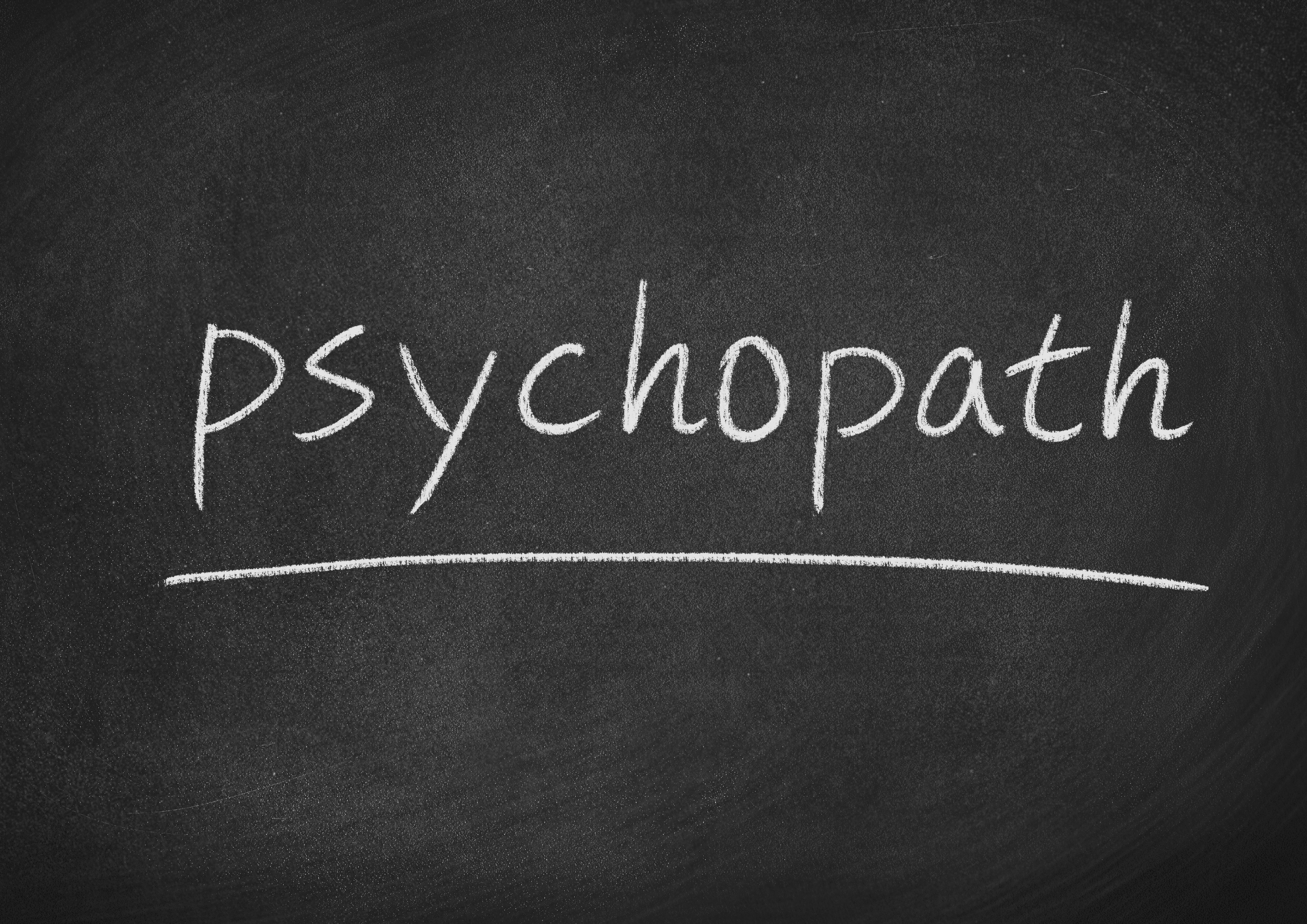
Introduction: Psychopathy is a psychiatric construct characterized by interpersonal, affective, and behavioral traits, including superficial charm, manipulation, lack of empathy, absence of remorse, impulsivity, and antisocial behavior. Since the classic description by Hervey Cleckley and the systematic framework developed by Robert D. Hare, the concept has become highly relevant in forensic psychiatry. Objective: To describe the main psychopathological features of psychopathy and discuss their implications for criminal responsibility under Brazilian legislation and case law. Method: This narrative review, conducted according to SANRA recommendations, analyzed 18 references selected from PubMed, Scopus, and SciELO, including empirical studies, review articles, seminal works, and legal documents. Discussion: Although neurobiological findings suggest abnormalities in emotional processing, psychopaths retain the cognitive capacity to understand the wrongfulness of their actions. Conclusion: Therefore, the prevailing view in Brazil is that psychopathy, by itself, does not exclude criminal responsibility, and such individuals are generally considered fully accountable for their offenses. Nevertheless, the diagnosis is highly relevant for assessing recidivism risk, dangerousness, and management strategies within the criminal justice system.
Downloads
Metrics
References
1. Cleckley H. The mask of sanity: an attempt to clarify some issues about the so-called psychopathic personality. 5th ed. Augusta: Emily S. Cleckley; 1988. https://gwern.net/doc/psychology/personality/psychopathy/1988-cleckley-maskofsanity.pdf
2. Wilkowski BM, Robinson MD. Putting the brakes on antisocial behavior: secondary psychopathy and post-error adjustments in reaction time. Pers Individ Dif. 2008;44(8):1807-18. https://doi.org/10.1016/j.paid.2008.02.007
3. Hare RD. Manual for the Revised Psychopathy Checklist. 2nd ed. Toronto: Multi-Health Systems; 2003. https://criminologyweb.com/wp-content/uploads/2019/12/Hare-Psychopathy-Checklist-Revised-PCLR.pdf
4. Falkenbach DM, Howe JR, Falki M. Using self-esteem to disaggregate psychopathy, narcissism, and aggression. Pers Individ Dif. 2013;54(7):815-20. https://doi.org/10.1016/j.paid.2012.12.017
5. Patrick CJ, editor. Handbook of psychopathy. New York: Guilford Press; 2006. https://www.amazon.com.br/Handbook-Psychopathy-Second-Christopher-Patrick/dp/1462541232#
6. Blair RJR. The neurobiology of psychopathic traits in youths. Nat Rev Neurosci. 2013;14(11):786-99. https://doi.org/10.1038/nrn3577 PMid:24105343 PMCid:PMC4418507
7. Kiehl KA. A cognitive neuroscience perspective on psychopathy: evidence for paralimbic system dysfunction. Psychiatry Res. 2006;142(2-3):107-28. https://doi.org/10.1016/j.psychres.2005.09.013 PMid:16712954 PMCid:PMC2765815
8. Glenn AL, Raine A. Neurocriminology: implications for the punishment, prediction and prevention of criminal behaviour. Nat Rev Neurosci. 2014;15(1):54-63. https://doi.org/10.1038/nrn3640 PMid:24326688 PMCid:PMC5452349
9. Frick PJ, Ray JV. Evaluating callous-unemotional traits as a personality construct. J Pers. 2015;83(6):710-22. https://doi.org/10.1111/jopy.12114 PMid:25039236
10. Hare RD. Without conscience: the disturbing world of the psychopaths among us. New York: Guilford Press; 1999. https://www.guilford.com/books/Without-Conscience/Robert-Hare/9781572304512?srsltid=AfmBOoohT98CRLOWpcc78uPwRgppRaVefcC1E-iNczFtBtwn8WxmgxjW
11. Teitelbaum PO, Fichbein BC, Martins CDN, Bins HDC, Schwengber HE, Moreira LL, Christoff MU, Cohen M, Albrecht RB, Cardoso RG. Psicopatia e transtorno antissocial de personalidade: implicações sobre a responsabilidade penal. Multijuris. 2012;7(11):57-67. https://ajuris.org.br/wp-content/uploads/2006/08/MULTIJURIS11.pdf
12. Brasil. Decreto-Lei nº 2.848, de 7 de dezembro de 1940. Código Penal Brasileiro. Brasília: Presidência da República; 1940. https://www2.camara.leg.br/legin/fed/declei/1940-1949/decreto-lei-2848-7-dezembro-1940-412868-publicacaooriginal-1-pe.html
13. American Psychiatric Association. Diagnostic and statistical manual of mental disorders: DSM-5-TR. 5th rev ed. Washington: American Psychiatric Publishing; 2021. https://doi.org/10.1176/appi.books.9780890425787
14. Silva AB. Psicopatia e responsabilidade penal: uma análise jurídico-psiquiátrica. Rev Bras Cienc Crim. 2008;16(64):259-81.
15. Babiak P, Hare RD. Snakes in suits: when psychopaths go to work. New York: HarperCollins Publishers, 2006. https://pearl-hifi.com/11_Spirited_Growth/10_Health_Neg/08_Psychopathy_OPs_AFs/Snakes_in_Suits.pdf
16. Hauck N Filho, Teixeira MAP, Dias ACG. Psicopatia: o construto e sua avaliação. Aval Psicol. 2009;8(3):337-46. https://pepsic.bvsalud.org/pdf/avp/v8n3/v8n3a06.pdf
17. Abdalla-Filho E, Chalub M, Telles L. Psiquiatria forense de Taborda. 3a ed. São Paulo: Artmed; 2016. https://pt.scribd.com/document/711200193/Psiquiatria-Forense-Taborda-Abdalla-3-Ed
18. Skeem JL, Polaschek DLL, Patrick CJ, Lilienfeld SO. Psychopathic personality: bridging the gap between scientific evidence and public policy. Psychol Sci Public Interest. 2011;12(3):95-162. https://doi.org/10.1177/1529100611426706 PMid:26167886
Published
How to Cite
Issue
Section
License
Copyright (c) 2026 Milena Ferreira França Alexandre, Alexandre Martins Valença, Lisieux Elaine Borba Telles, José Brasileiro Dourado Junior, Antônio Geraldo da Silva

This work is licensed under a Creative Commons Attribution-NonCommercial 4.0 International License.
Debates em Psiquiatria allows the author (s) to keep their copyrights unrestricted. Allows the author (s) to retain their publication rights without restriction. Authors should ensure that the article is an original work without fabrication, fraud or plagiarism; does not infringe any copyright or right of ownership of any third party. Authors should also ensure that each one complies with the authorship requirements as recommended by the ICMJE and understand that if the article or part of it is flawed or fraudulent, each author shares responsibility.
Attribution-NonCommercial 4.0 International (CC BY-NC 4.0) - Debates em Psiquiatria is governed by the licencse CC-By-NC
You are free to:
- Share — copy and redistribute the material in any medium or format
- Adapt — remix, transform, and build upon the material
The licensor cannot revoke these freedoms as long as you follow the license terms. Under the following terms:
- Attribution — You must give appropriate credit, provide a link to the license, and indicate if changes were made. You may do so in any reasonable manner, but not in any way that suggests the licensor endorses you or your use.
- NonCommercial — You may not use the material for commercial purposes.
No additional restrictions — You may not apply legal terms or technological measures that legally restrict others from doing anything the license permits.