Psilocybin for anorexia nervosa: efficacy, safety, and durability of clinical effects: a systematic review of clinical trials
DOI:
https://doi.org/10.25118/2763-9037.2026.v16.1677Keywords:
eating-disorder psychopathology, psychedelic-assisted therapy, recovery motivation, body-image disturbance, clinical tolerabilityAbstract
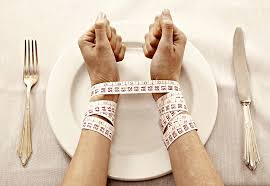
Introduction: Anorexia nervosa is a severe psychiatric disorder with substantial morbidity and limited pharmacological treatment options. Psilocybin-assisted interventions have emerged as a potential novel approach, but evidence specific to anorexia nervosa remains limited. Objective: To evaluate the efficacy, safety, tolerability, and durability of psilocybin-based interventions in adults with anorexia nervosa. Methods: Registered in the International Prospective Register of Systematic Reviews (PROSPERO number CRD420261479321). The review was conducted and reported in accordance with the Preferred Reporting Items for Systematic Reviews and Meta-Analyses (PRISMA) 2020 statement. PubMed, Scopus, Web of Science, and the Cochrane Library were systematically searched. Prospective clinical trials evaluating psilocybin in adults with anorexia nervosa were eligible. Outcomes included eating-disorder psychopathology, associated psychiatric symptoms, weight-related outcomes, safety, acceptability, and durability. Findings were synthesized narratively according to study design and outcome domain. Results: Two independent uncontrolled prospective trials involving 31 participants met the inclusion criteria. Psilocybin administration was associated with improvements in global and domain-specific eating-disorder psychopathology, motivation for recovery, body-image anxiety, anxiety symptoms, eating-related preoccupations, and functional impairment, although findings were heterogeneous across outcomes. Some improvements persisted beyond the immediate treatment period, with follow-up extending to 12 months in one study. Acute tolerability was generally acceptable, although serious psychiatric events and hypoglycemia were reported. The absence of randomized comparators and the small, highly selected samples precluded causal inference and quantitative meta-analysis. Conclusion: Psilocybin-assisted interventions show promising preliminary clinical signals in anorexia nervosa, including improvements in eating-disorder psychopathology and selected associated outcomes. However, current evidence remains insufficient to establish efficacy or generalizable safety. Well-powered randomized controlled trials with rigorous medical monitoring and longer follow-up are warranted.
Downloads
Metrics
References
1. Datta N, Hossepian K, Xie I, Gurcan HY, Behr S, Pouliadi M, Miranda C. Anorexia nervosa across the lifespan: A review of Recent literature. Focus (Am Psychiatr Publ). 2024;22(3):269-77. https://doi.org/10.1176/appi.focus.20230037 PMid:38988469 PMCid:PMC11231474
2. Arcelus J, Mitchell AJ, Wales J, Nielsen S. Mortality rates in patients with anorexia nervosa and other eating disorders. A meta-analysis of 36 studies. Arch Gen Psychiatry. 2011;68(7):724-31. https://doi.org/10.1001/archgenpsychiatry.2011.74 PMid:21727255
3. Crone C, Fochtmann LJ, Attia E, Boland R, Escobar J, Fornari V, Golden N, Guarda A, Jackson-Triche M, Manzo L, Mascolo M, Pierce K, Riddle M, Seritan A, Uniacke B, Zucker N, Yager J, Craig TJ, Hong SH, Medicus J. The American Psychiatric Association Practice Guideline for the Treatment of Patients With Eating Disorders. Am J Psychiatry. 2023;180(2):167-71. https://doi.org/10.1176/appi.ajp.23180001 PMid:36722117
4. Grilo CM. Treatment of Eating Disorders: Current Status, Challenges, and Future Directions. Annu Rev Clin Psychol. 2024;20(1):97-123. https://doi.org/10.1146/annurev-clinpsy-080822-043256 PMid:38211625
5. Himmerich H, Keeler JL, Tchanturia K, Treasure J. Treatment escalation for people with anorexia nervosa: setting, therapies and nutritional interventions. Curr Opin Psychiatry. 2024;37(6):404-16. https://doi.org/10.1097/YCO.0000000000000964 PMid:39239867 PMCid:PMC11426991
6. Ortiz AML, Peters AS, Webber KT, Butler RM, Fitterman-Harris HF, Levinson CA. Eating disorder symptoms and corresponding evidence-based treatments: a narrative review. J Eat Disord. 2026;14(1):45. https://doi.org/10.1186/s40337-025-01485-7 PMid:41514362 PMCid:PMC12882398
7. Panarello E, Monaco F, Vignapiano A, Di Gruttola B, Landi S, Ferrara E, Malvone R, Palermo S, Di Stefano V, D'Angelo M, Corrivetti G, Steardo L Jr. Beyond behavior: neural and cognitive alterations in eating disorders-a systematic review. Psychiatry Res Neuroimaging. 2026;357, 112132. https://doi.org/10.1016/j.pscychresns.2025.112132 PMid:41499821
8. Wallach J, Cao AB, Calkins MM, Heim AJ, Lanham JK, Bonniwell EM, Hennessey JJ, Bock HA, Anderson EI, Sherwood AM, Morris H, de Klein R, Klein AK, Cuccurazzu B, Gamrat J, Fannana T, Zauhar R, Halberstadt AL, McCorvy JD. Identification of 5-HT2A receptor signaling pathways associated with psychedelic potential. Nat Commun. 2023;14(1):8221. https://doi.org/10.1038/s41467-023-44016-1 PMid:38102107 PMCid:PMC10724237
9. Ramos L, Vicente SG. The effects of psilocybin on cognition and emotional processing in healthy adults and adults with depression: a systematic literature review. J Clin Exp Neuropsychol. 2024;46(5):393-421. https://doi.org/10.1080/13803395.2024.2363343 PMid:38842300
10. Bevione F, Lacidogna MC, Lavalle R, Abbate Daga G, Preti A. Psilocybin in the treatment of eating disorders: a systematic review of the literature and registered clinical trials. Eat Weight Disord. 2025;30(1):58. https://doi.org/10.1007/s40519-025-01771-y PMid:40730892 PMCid:PMC12307571
11. Douglass HM, Spriggs MJ, Godfrey K, Danby JL, de Magalhaes FJC, Macdonald L, Alderton KL, Archer S, Ahmad K, Martell J, Frias JT, Sawicka G, Read T, Blemings A, Lafrance A, Nicholls D, Erritzoe D, Park RJ, Nutt DJ, Carhart-Harris RL. Psilocybin therapy for adult females with anorexia nervosa: pilot study. Br J Psychiatry. 2026;1-9 https://doi.org/10.1192/bjp.2026.10687 PMid:42414058
12. Peck SK, Shao S, Gruen T, Yang K, Babakanian A, Trim J, Finn DM, Kaye WH. Psilocybin Therapy for Females With Anorexia Nervosa: A Phase 1, Open-Label Feasibility Study. Focus (Am Psychiatr Publ). 2024;22(3):381-87. https://doi.org/10.1176/appi.focus.24022013 PMid:38988455 PMCid:PMC11231470
13. Majić T, Ehrlich S. Psilocybin for the treatment of anorexia nervosa. Nat Med. 2023;29(8):1906-07. https://doi.org/10.1038/s41591-023-02458-6 PMid:37488290
14. Downey AE, Chaphekar AV, Woolley J, Raymond-Flesch M. Psilocybin therapy and anorexia nervosa: a narrative review of safety considerations for researchers and clinicians. J Eat Disord. 2024;12(1):49. https://doi.org/10.1186/s40337-024-01005-z PMid:38659049
Downloads
Published
How to Cite
Issue
Section
License
Copyright (c) 2026 Kirolos Eskandar, Kerolos Shahat

This work is licensed under a Creative Commons Attribution-NonCommercial 4.0 International License.
Debates em Psiquiatria allows the author (s) to keep their copyrights unrestricted. Allows the author (s) to retain their publication rights without restriction. Authors should ensure that the article is an original work without fabrication, fraud or plagiarism; does not infringe any copyright or right of ownership of any third party. Authors should also ensure that each one complies with the authorship requirements as recommended by the ICMJE and understand that if the article or part of it is flawed or fraudulent, each author shares responsibility.
Attribution-NonCommercial 4.0 International (CC BY-NC 4.0) - Debates em Psiquiatria is governed by the licencse CC-By-NC
You are free to:
- Share — copy and redistribute the material in any medium or format
- Adapt — remix, transform, and build upon the material
The licensor cannot revoke these freedoms as long as you follow the license terms. Under the following terms:
- Attribution — You must give appropriate credit, provide a link to the license, and indicate if changes were made. You may do so in any reasonable manner, but not in any way that suggests the licensor endorses you or your use.
- NonCommercial — You may not use the material for commercial purposes.
No additional restrictions — You may not apply legal terms or technological measures that legally restrict others from doing anything the license permits.